Healing after narcissistic abuse is not a straight line. It’s messy, slow at times, and often filled with self-doubt. Many survivors spend years questioning what happened, why they stayed, and whether their pain is “valid enough” to deserve attention. This is where self help books for narcissistic abuse can play a powerful role—not as a replacement for therapy, but as a steady companion during recovery.
Narcissistic Abuse is the different from other forms of emotional harm. It is subtle, often invisible from the outside, and deeply confusing from the inside. Survivors are frequently is left with anxiety, lowered self-esteem, difficulty trusting others, and a distorted sense of self. The right books don’t just explain the abuse; they help survivors reconnect with their own voice.
Why Narcissistic Abuse Leaves Such Deep Scars
One of the hardest parts of narcissistic abuse is how it rewires thinking. Manipulation, gas lighting, and emotional control slowly erode confidence. Over time, many people stop trusting their instincts. They second-guess their reactions. They feel guilty for wanting peace.
This is why survivors often struggle even after leaving the relationship. The abuse may be over, but its psychological impact lingers. Self-help books for narcissistic abuse help by putting words to experiences survivors couldn’t previously explain. When someone reads their own story reflected on a page, something important happens: clarity replaces confusion.
Understanding the patterns of narcissistic behavior helps survivors see that the abuse was never about their worth. It was about control.
Role of Self Help Books in the Recovery
Not every survivor has immediate access to therapy, and even those who do often need support between sessions. Books provide space to pause, reflect, and process at a personal pace. Unlike social media advice, well-written self-help books for narcissistic abuse offer depth, context, and long-term perspective.
The most helpful books focus on:
- Rebuilding self-trust
- Recognizing manipulation patterns
- Managing trauma responses
- Developing emotional boundaries
- Reclaiming personal identity
They don’t rush healing or promise quick fixes. Instead, they acknowledge that recovery takes time and patience.
Learning to Trust Yourself Again
One of the most damaging effects of narcissistic abuse is s elf-doubt. Survivors often ask themselves, “Was it really that bad?” or “Am I overreacting?” This internal conflict keeps people stuck.
Good self-help books gently challenge this mindset. They encourage readers to examine moments they ignored their intuition and explore why. Over time, this reflection rebuilds confidence. Survivors begin to recognize their emotional responses as signals, not flaws.
Trusting yourself again is not about becoming fearless. It’s about feeling grounded enough to listen to your own inner voice without apology.
Emotional Regulation and Staying Calm
Many survivors experience emotional swings long after the relationship ends. Triggers can appear without warning—a tone of voice, a memory, a situation that feels familiar. Learning how to regulate emotions is a critical step in recovery.
This is where self help books for narcissistic abuse that focus on calm and self-control become especially valuable. They don’t tell readers to suppress emotions.Are Instead, they offer tools to pause, reflect, and respond rather than react.
Simple practices like journaling, breathing techniques, and reframing negative thoughts can restore a sense of emotional safety. Calm becomes something survivors create within themselves, not something dependent on others.
Real-Life Recovery Is Not Linear
Many books fail survivors by presenting healing as a straight path. Real life doesn’t work that way. Progress often comes in waves—two steps forward, one step back.
The best self help books for narcissistic abuse normalize this reality. They remind readers that setbacks do not mean failure. They are part of the process. Understanding this reduces shame and helps survivors stay committed to healing even on difficult days.
Recovery is not about becoming a “new” person. It’s about reconnecting with who you were before the abuse reshaped your sense of self.
A Memoir That Speaks to Survivors: Breaking Free and Staying Calm
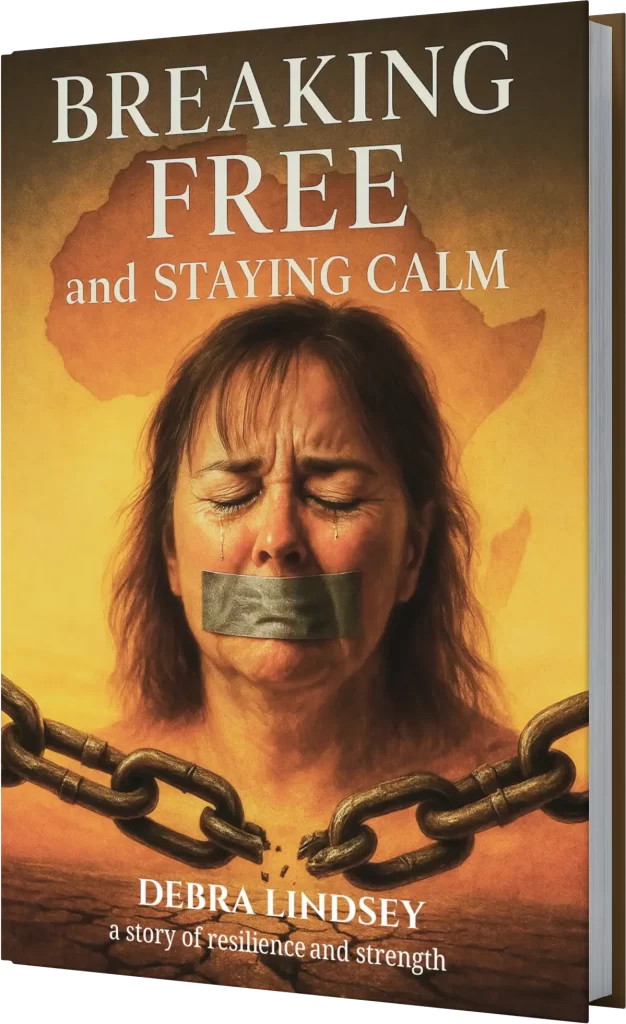
One book that resonates deeply with readers recovering from emotional manipulation is Breaking Free and Staying Calm by Debra Lindsey. Available on Amazon, this memoir offers an honest account of surviving emotional control, rebuilding inner strength, and learning how to protect personal peace. Rather than presenting theory alone, Debra shares lived experience—how trauma shaped her responses and how calm became a learned skill rather than a personality trait. For readers searching for self help books for narcissistic abuse that feel real, grounded, and emotionally validating, this book provides reassurance that healing is possible without denying the pain of the past.
👉 Buy here: https://amzn.eu/d/dfwFE5t
Why Stories Matter as Much as Advice
Instructional advice is useful, but stories create connection. When survivors read about someone else navigating similar emotional terrain, it reduces isolation. Memoirs and narrative-driven self-help books for narcissistic abuse allow readers to see how healing unfolds over time, not just in theory but in lived reality.
Stories validate emotions that survivors often minimize. They show that strength can exist alongside vulnerability. They also remind readers that calm is not the absence of emotion—it is the ability to remain steady even when emotions arise.
Choosing the Right Book for Your Healing Stage
Not every book will resonate at every stage of recovery. Early on, survivors may need validation and education. Later, they may seek tools for rebuilding confidence or forming healthy relationships.
The key is choosing self help books for narcissistic abuse that align with current needs, not what others say you “should” read. Healing becomes more effective when it respects personal timing.
Moving Forward With Strength
Recovery from narcissistic the abuse is not about forgetting the past. It’s about understanding it without letting it define the future. Self help books serve as reminders that growth is possible, even after prolonged emotional harm.
Survivors when learn to stay calm, set boundaries, and trust themselves again, they reclaim more than peace—they reclaim their identity. Healing becomes less about survival and more about living with intention.
For many, the right book is not just something they read once. Its becomes a reference point, a quiet support system, and the reminder that strength often returns slowly—but it does return.